

15
2026
-
10
Understanding Mini Excavators: Essential Insights for Industry Professionals
Mini excavators, also known as compact excavators, are a vital asset in the construction and engineering machinery industry. Their compact size and versatility make them ideal for various applications, ranging from residential landscaping projects to heavy-duty construction tasks. A mini excavator typically weighs between 1 and 10 tons, making it easier to maneuver in tight spaces while still deli
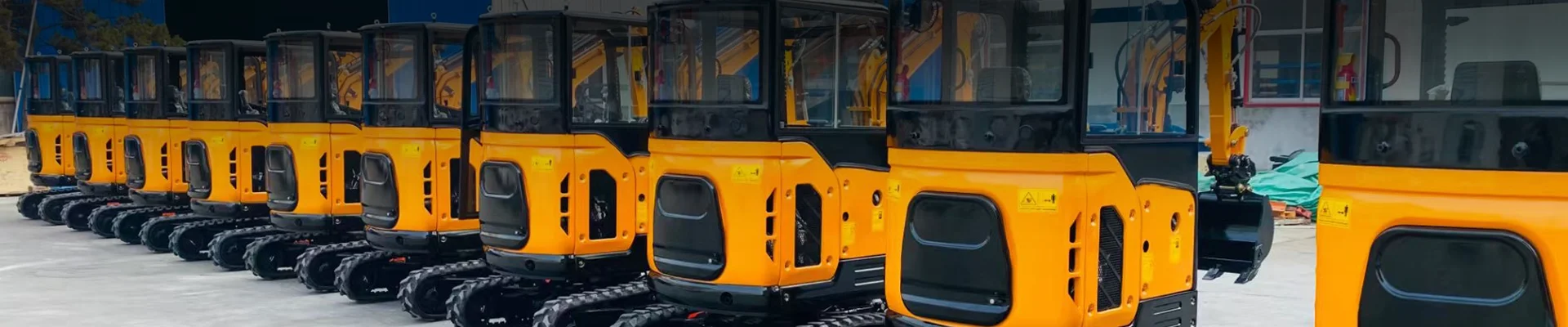
Mini excavators, also known as compact excavators, are a vital asset in the construction and engineering machinery industry. Their compact size and versatility make them ideal for various applications, ranging from residential landscaping projects to heavy-duty construction tasks. A mini excavator typically weighs between 1 and 10 tons, making it easier to maneuver in tight spaces while still delivering powerful performance.
One of the primary advantages of mini excavators is their ability to operate in confined areas where larger excavators cannot access. This feature is particularly beneficial for urban construction sites, where space is often limited. Additionally, mini excavators can be equipped with various attachments, such as grapples, augers, or hydraulic hammers, enhancing their functionality and allowing operators to tackle a wide range of tasks.
When considering a mini excavator, it’s essential to assess its specifications, including digging depth, reach, and lifting capacity. These factors will significantly influence the machine's suitability for specific projects. For instance, some models are designed for deeper digging and can reach depths of over 10 feet, making them suitable for utility work. Meanwhile, others may prioritize lifting capacity, which is crucial for tasks that involve moving heavy materials.
Mini excavators are also known for their fuel efficiency. Many models are equipped with advanced engine technology that minimizes fuel consumption without compromising performance. This efficiency translates to cost savings for operators, making mini excavators an economically viable option for both small and large projects.
Safety features are another critical aspect of mini excavators. Operators should always prioritize safety by ensuring their machines are equipped with roll-over protective structures (ROPS) and falling object protective structures (FOPS). Proper training and adherence to safety protocols are essential to prevent accidents and ensure a safe working environment.
Moreover, the maintenance of mini excavators plays a vital role in their longevity and performance. Regular checks on hydraulic systems, tracks, and engines can prevent costly repairs and downtime. It is advisable to follow the manufacturer's maintenance schedule and use genuine parts to ensure the machine operates at optimal levels.
In conclusion, mini excavators are indispensable tools in the construction and engineering sectors. Their compact design, versatility, and efficiency make them suitable for various applications. By understanding their features and maintenance requirements, industry professionals can make informed decisions and maximize the benefits that mini excavators offer to their projects.
One of the primary advantages of mini excavators is their ability to operate in confined areas where larger excavators cannot access. This feature is particularly beneficial for urban construction sites, where space is often limited. Additionally, mini excavators can be equipped with various attachments, such as grapples, augers, or hydraulic hammers, enhancing their functionality and allowing operators to tackle a wide range of tasks.
When considering a mini excavator, it’s essential to assess its specifications, including digging depth, reach, and lifting capacity. These factors will significantly influence the machine's suitability for specific projects. For instance, some models are designed for deeper digging and can reach depths of over 10 feet, making them suitable for utility work. Meanwhile, others may prioritize lifting capacity, which is crucial for tasks that involve moving heavy materials.
Mini excavators are also known for their fuel efficiency. Many models are equipped with advanced engine technology that minimizes fuel consumption without compromising performance. This efficiency translates to cost savings for operators, making mini excavators an economically viable option for both small and large projects.
Safety features are another critical aspect of mini excavators. Operators should always prioritize safety by ensuring their machines are equipped with roll-over protective structures (ROPS) and falling object protective structures (FOPS). Proper training and adherence to safety protocols are essential to prevent accidents and ensure a safe working environment.
Moreover, the maintenance of mini excavators plays a vital role in their longevity and performance. Regular checks on hydraulic systems, tracks, and engines can prevent costly repairs and downtime. It is advisable to follow the manufacturer's maintenance schedule and use genuine parts to ensure the machine operates at optimal levels.
In conclusion, mini excavators are indispensable tools in the construction and engineering sectors. Their compact design, versatility, and efficiency make them suitable for various applications. By understanding their features and maintenance requirements, industry professionals can make informed decisions and maximize the benefits that mini excavators offer to their projects.
Related news
2026-09-17

CONTACT US
Email : sales@sunlionmachinery.com
Address :Technology Industrial Park of Taian city,Shandong province,China

All Rights Reserved © Shandong Sunlion Machinery Co., Ltd. SEO CEGLOBAL Privacy Policy
Business License