

23
2026
-
06
How Crawler Excavators Revolutionize Earth Moving Operations
How Crawler Excavators Revolutionize Earth Moving Operations Table of Contents Introduction to Crawler Excavators What Are Crawler Excavators? Key Features of Crawler Excavators Benefits of Using Crawler Excavators Applications in Construction and Civil Engineering Technological Advancements in Crawler Excavators Sustainability and Environmental Impact The Future of Crawler Excavators Frequently
How Crawler Excavators Revolutionize Earth Moving Operations
Table of Contents
- Introduction to Crawler Excavators
- What Are Crawler Excavators?
- Key Features of Crawler Excavators
- Benefits of Using Crawler Excavators
- Applications in Construction and Civil Engineering
- Technological Advancements in Crawler Excavators
- Sustainability and Environmental Impact
- The Future of Crawler Excavators
- Frequently Asked Questions
- Conclusion
Introduction to Crawler Excavators
In the realm of construction machinery, **crawler excavators** have become a pivotal force in enhancing productivity and efficiency across various earth-moving operations. Their robust design and unparalleled versatility empower operators to tackle complex tasks, ranging from excavation and grading to demolition and landscaping. In this article, we will explore the profound impact of crawler excavators on the earth moving industry, highlighting their features, benefits, and the future they hold in construction and engineering.
What Are Crawler Excavators?
Crawler excavators are heavy-duty construction machines equipped with a rotating platform and a long arm fitted with attachments like buckets and hydraulic tools. Unlike wheeled excavators, crawler excavators possess tracks that provide them with superior stability and traction on various terrains. This unique design allows them to operate in challenging environments, including muddy sites or steep slopes, making them essential for demanding earth-moving projects.
Types of Crawler Excavators
Crawler excavators come in various sizes and configurations to suit different applications. The primary types include:
- **Standard Crawler Excavators**: Ideal for most construction tasks, offering a balanced mix of power and maneuverability.
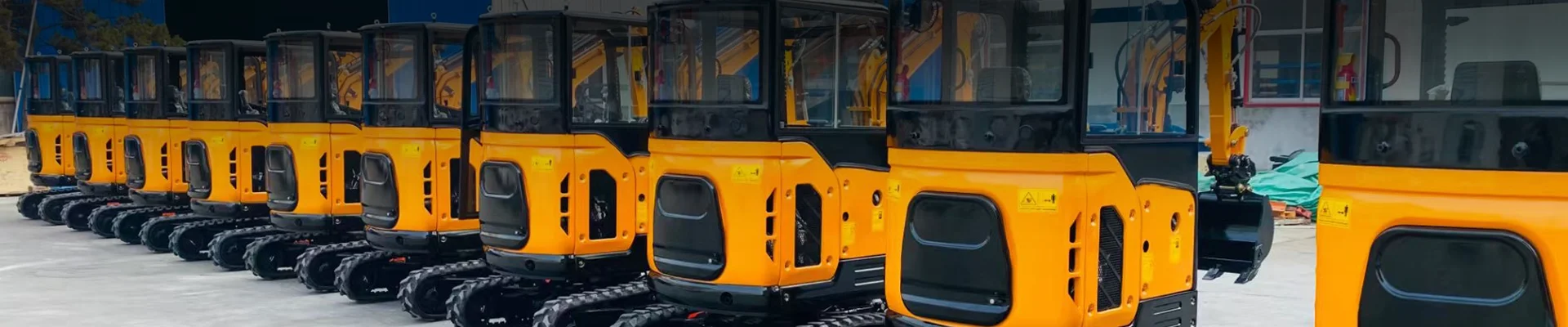
- **Mini Crawler Excavators**: Compact and lightweight, perfect for small-scale jobs and tight spaces.
- **Large Crawler Excavators**: Designed for heavy-duty operations in large projects, these machines offer significant digging power and reach.
Key Features of Crawler Excavators
Crawler excavators are designed with advanced features that enhance their performance and usability. Some of the most significant features include:
Hydraulic Systems
The hydraulic system is the heart of any crawler excavator. It powers the machine's movements and attachments, allowing for precise control and efficiency during operations. Modern hydraulic systems boast improved energy efficiency, reducing fuel consumption while maximizing output.
Versatile Attachments
One of the standout features of crawler excavators is their ability to accommodate a wide range of attachments. From buckets and grapples to hammers and augers, these machines can be tailored to meet specific project demands, increasing their utility across various tasks.
Advanced Control Systems
The introduction of advanced control systems has elevated the functionality of crawler excavators. Operators can benefit from features like **GPS-guided systems** and **load-sensing controls**, which enhance precision and optimize performance.
Benefits of Using Crawler Excavators
The advantages of utilizing crawler excavators in earth-moving operations are manifold.
Enhanced Stability and Traction
The track system provides exceptional stability, ensuring that the machine remains grounded even in challenging conditions. This feature minimizes the risk of tipping, allowing operators to work confidently on uneven surfaces.
Increased Efficiency
With the ability to switch between various attachments, crawler excavators reduce the need for multiple machines on-site. This versatility leads to greater operational efficiency, as tasks can be completed more swiftly and with less equipment.
Cost-Effectiveness
Investing in a crawler excavator can significantly lower operational costs over time. Their fuel efficiency, coupled with reduced maintenance expenses, makes them an attractive option for contractors seeking to optimize their budgets.
Applications in Construction and Civil Engineering
Crawler excavators play a crucial role in various construction and civil engineering applications, including:
Excavation and Grading
Whether digging trenches for foundations or leveling surfaces for road construction, crawler excavators excel in excavation and grading tasks. Their powerful hydraulic systems allow them to dig deep and move large quantities of earth with ease.
Demolition Projects
In demolition projects, crawler excavators equipped with specialized attachments can efficiently dismantle structures, clear debris, and prepare sites for new construction.
Landscaping and Site Development
In landscaping applications, these machines facilitate the shaping of terrain, installation of drainage systems, and other site development tasks, ensuring that projects are executed with precision.
Utility Installation
For utility installation projects, crawler excavators can dig trenches for pipes and cables, ensuring that infrastructure is laid in a timely and efficient manner.
Technological Advancements in Crawler Excavators
The evolution of crawler excavators has been significantly influenced by advancements in technology. Key innovations include:
Telematics Systems
Telematics systems enable real-time monitoring of machine performance, fuel consumption, and maintenance needs. This technology allows operators and fleet managers to make informed decisions, enhancing overall efficiency.
Automation and Robotics
The integration of automated features, such as **self-leveling** and **automatic grade control**, is revolutionizing the way crawler excavators operate. These innovations reduce the reliance on operator skill and increase the consistency of work output.
Eco-Friendly Solutions
With growing concerns about the environment, manufacturers are developing crawler excavators with reduced emissions and improved fuel efficiency. Options such as hybrid and electric excavators are making their way into the market, aligning with sustainability goals.
Sustainability and Environmental Impact
As the construction industry faces increasing scrutiny over its environmental footprint, crawler excavators are adapting to meet sustainability demands.
Reduced Emissions
Modern crawler excavators are engineered to comply with stringent emission standards, minimizing their impact on air quality. These machines are designed to operate efficiently, ensuring that they produce less pollution while maintaining performance.
Energy Efficiency
With advancements in engine technology and hydraulic systems, crawler excavators are becoming more energy-efficient. This not only lowers operational costs but also reduces the overall carbon footprint associated with construction activities.
The Future of Crawler Excavators
The future of crawler excavators looks bright, with continued innovations set to redefine their role in earth-moving operations.
Integration with AI and Machine Learning
The integration of artificial intelligence (AI) and machine learning is expected to enhance the operational efficiency of crawler excavators further. By analyzing data from various sources, these technologies can improve decision-making processes and streamline operations.
Smart Construction Solutions
As the construction industry moves towards smart solutions, crawler excavators will likely incorporate more advanced connectivity features. This could include integration with building information modeling (BIM) and other digital tools to enhance project management.
Frequently Asked Questions
1. What is the primary advantage of crawler excavators over wheeled excavators?
Crawler excavators offer better stability and traction on uneven terrain, making them more suitable for various challenging environments.
2. How do I choose the right size of crawler excavator for my project?
Consider the scale of your project, the type of work required, and the space available. Mini excavators are ideal for tight spaces, while larger models are better for extensive excavation tasks.
3. What maintenance is required for crawler excavators?
Regular maintenance includes checking hydraulic fluids, engine oil, and filters, as well as inspecting the tracks for wear and tear.
4. Can crawler excavators be used for demolition work?
Yes, crawler excavators equipped with appropriate attachments, like hydraulic hammers or shears, are highly effective for demolition tasks.
5. Are there eco-friendly options available for crawler excavators?
Yes, many manufacturers offer hybrid or electric crawler excavators designed to reduce emissions and enhance fuel efficiency, aligning with sustainability goals.
Conclusion
Crawler excavators have undeniably revolutionized earth-moving operations, offering unparalleled versatility, efficiency, and stability. As technology continues to advance, these machines will evolve further, integrating smart solutions that enhance their capabilities while promoting sustainability. Understanding the profound impact of crawler excavators on the construction industry helps stakeholders make informed decisions when investing in earth-moving equipment, ultimately shaping the future of construction and civil engineering.
Related news
2026-09-17

CONTACT US
Email : sales@sunlionmachinery.com
Address :Technology Industrial Park of Taian city,Shandong province,China

All Rights Reserved © Shandong Sunlion Machinery Co., Ltd. SEO CEGLOBAL Privacy Policy
Business License