

01
2026
-
06
Why Mini Excavators Are Essential for Landscape Projects
Why Mini Excavators Are Essential for Landscape Projects Understanding Mini Excavators: A Comprehensive Overview Mini excavators, known for their compact size and impressive versatility, are becoming essential tools in the field of landscaping. These machines, generally weighing between 1 to 10 tons, can navigate tight spaces and are perfect for a variety of tasks. Their ability to perform mul
Why Mini Excavators Are Essential for Landscape Projects
Understanding Mini Excavators: A Comprehensive Overview
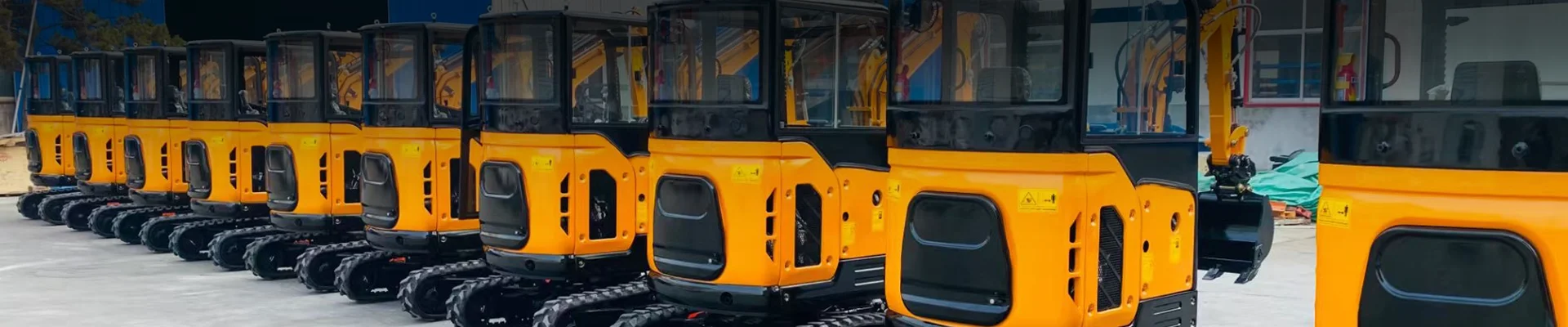
Mini excavators, known for their compact size and impressive versatility, are becoming essential tools in the field of landscaping. These machines, generally weighing between 1 to 10 tons, can navigate tight spaces and are perfect for a variety of tasks. Their ability to perform multiple functions—from digging and grading to lifting and transporting materials—makes them a go-to choice for landscapers seeking efficiency and effectiveness in their projects.
The Growing Demand for Mini Excavators in Landscaping
As landscaping projects continue to grow in complexity, the demand for mini excavators has surged. Landscape architects and contractors require equipment that can easily maneuver in confined areas while providing the power needed for larger projects. Mini excavators meet these needs perfectly, filling a critical gap in the landscaping equipment market.
Versatility in Applications
Mini excavators are not one-dimensional. They can be outfitted with various attachments, allowing them to perform a wide range of tasks such as:
- **Digging trenches** for irrigation systems
- **Leveling soil** for planting beds
- **Lifting heavy rocks** for decorative landscaping
- **Clearing debris** from construction sites
This adaptability makes mini excavators an essential asset for any landscape professional.
Compact Design for Accessibility
The compact nature of mini excavators allows them to access spaces that larger machinery simply cannot. This is particularly beneficial in residential landscaping projects where space is often limited. Their small footprint means they can easily navigate through narrow pathways, gates, and tight corners, ensuring that no area is left untouched.
Key Benefits of Using Mini Excavators for Landscape Projects
The advantages of mini excavators extend beyond their size and versatility. Understanding these benefits can help landscape professionals make informed decisions regarding their equipment.
Increased Efficiency and Productivity
Using mini excavators significantly enhances efficiency on landscape projects. With powerful engines and quick cycle times, these machines can complete tasks much faster than manual labor or smaller equipment. This increased productivity not only saves time but also reduces labor costs.
Enhanced Precision in Landscaping Tasks
One of the standout features of mini excavators is their ability to provide precision in various tasks. Whether grading land, digging holes for planting, or creating intricate designs in garden beds, mini excavators can execute these tasks with remarkable accuracy, resulting in finished projects that meet high standards.
Cost-Effectiveness and ROI
Investing in a mini excavator can yield significant returns for landscaping businesses. Lower operating costs, reduced labor expenses, and the ability to take on more projects simultaneously make mini excavators a financially sound choice. They enable contractors to complete jobs more quickly, leading to faster payments and improved cash flow.
Popular Attachments for Mini Excavators in Landscaping
The true power of mini excavators lies in their compatibility with a variety of attachments. Here are some of the most popular attachments used in landscape projects:
Digging Buckets
Standard digging buckets help in excavating soil, making them essential for planting trees, shrubs, and installing drainage systems.
Grading Buckets
Grading buckets are designed for leveling and smoothing soil, ensuring that the ground is prepared for turf or other landscaping features.
Augers
Augers allow for precise hole drilling, ideal for planting and installing fence posts or trees.
Hydraulic Hammers
For more heavy-duty tasks, hydraulic hammers can break through concrete or rock, making them useful for renovating existing landscapes or clearing land.
Rakes and Graders
These attachments are excellent for clearing debris and leveling areas, leading to a professional finish in landscape design.
Safety Considerations When Operating Mini Excavators
While mini excavators are invaluable tools, ensuring safety during their operation is paramount. Operators should adhere to the following safety practices:
Proper Training and Certification
Only trained and certified operators should handle mini excavators. This ensures that they are well-versed in safety protocols and operational techniques.
Regular Maintenance Checks
Performing routine maintenance checks on the mini excavator helps prevent accidents. Operators should inspect all moving parts, fluids, and safety devices before use.
Worksite Safety Protocols
Establishing clear safety protocols for the worksite, including marking hazardous areas and keeping bystanders at a safe distance, can help prevent accidents during operation.
How Mini Excavators are Transforming Landscape Design
Mini excavators are not just tools; they are catalysts for innovation in landscape design. Their ability to execute intricate and precise work allows landscape architects to explore new ideas and designs that were previously infeasible.
Eco-Friendly Landscaping Solutions
As environmental awareness grows, mini excavators can assist in eco-friendly landscaping efforts. Their precision allows for minimal disruption to existing ecosystems during installations, ensuring that plants and wildlife are preserved.
Creative Landscaping Features
With the ability to create unique shapes and designs, mini excavators enable landscapers to innovate and push the boundaries of traditional landscaping. From terraced gardens to custom water features, their versatility fosters creativity.
Frequently Asked Questions (FAQs)
1. What is the average cost of renting a mini excavator for landscape projects?
The average cost of renting a mini excavator ranges from $200 to $500 per day, depending on the model and rental company.
2. How deep can mini excavators dig?
Most mini excavators can dig anywhere from 5 to 12 feet deep, depending on the specific model and configuration.
3. Are mini excavators suitable for residential landscaping?
Yes, their compact size makes them ideal for residential landscaping projects, allowing access to tight spaces.
4. What is the fuel efficiency of mini excavators?
Mini excavators are known for their fuel efficiency, typically consuming between 1 to 3 gallons of fuel per hour, depending on the workload.
5. Can I operate a mini excavator without prior experience?
While it's possible, it’s highly recommended to receive proper training and certification to ensure safe and effective operation.
Conclusion
In conclusion, mini excavators play a vital role in modern landscaping projects, enhancing efficiency, precision, and creativity. Their versatility allows landscapers to tackle an array of tasks, from digging and grading to lifting heavy materials, all while navigating tight spaces with ease. As the landscaping industry continues to evolve, the importance of mini excavators will only grow, making them an essential investment for professionals and DIY enthusiasts alike. Embracing this powerful machinery will undoubtedly lead to successful and innovative landscape designs, helping to create outdoor spaces that are not only functional but also beautiful.
Related news
2026-09-17

CONTACT US
Email : sales@sunlionmachinery.com
Address :Technology Industrial Park of Taian city,Shandong province,China

All Rights Reserved © Shandong Sunlion Machinery Co., Ltd. SEO CEGLOBAL Privacy Policy
Business License