

17
2026
-
04
Unlocking the Potential of Mini Excavators in Construction and Engineering
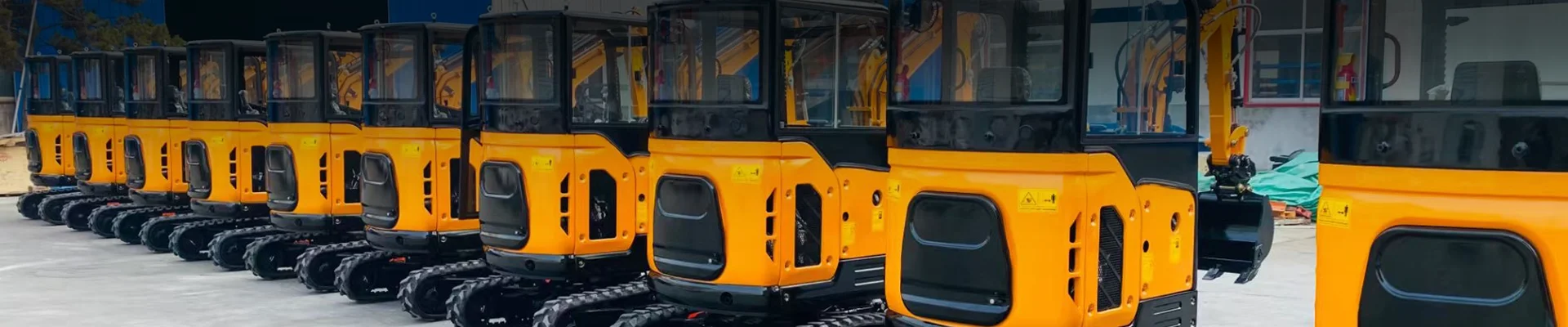
Mini excavators have become indispensable tools in the construction and engineering industries, offering versatility, efficiency, and maneuverability that larger machines often cannot match. These compact machines have evolved to meet the varying needs of job sites, from small residential projects to larger commercial undertakings. One of the primary advantages of mini excavators is their size. T
Mini excavators have become indispensable tools in the construction and engineering industries, offering versatility, efficiency, and maneuverability that larger machines often cannot match. These compact machines have evolved to meet the varying needs of job sites, from small residential projects to larger commercial undertakings.
One of the primary advantages of mini excavators is their size. Typically weighing between 1 and 6 tons, they can access tight spaces and navigate narrow job sites where larger excavators would struggle. This makes them ideal for urban construction, landscaping, and smaller excavation tasks. Their agility allows operators to execute precise digging, grading, and landscaping work with ease, ensuring that projects can be completed quickly and efficiently.
When it comes to applications, mini excavators are remarkably versatile. They are equipped with various attachments, such as buckets, hydraulic hammers, and grapples, allowing them to perform tasks beyond mere excavation. For instance, they can be used for trenching, site preparation, and even demolition, making them a multi-functional asset on any job site. This adaptability not only enhances productivity but also reduces the need for multiple machines, saving time and resources.
In terms of operation, mini excavators are designed with user-friendliness in mind. Modern models often feature advanced controls and intuitive interfaces, making it easier for operators to learn and operate the equipment effectively. Furthermore, many mini excavators are equipped with zero-tail swing designs, allowing them to work in tight quarters without the risk of collision with nearby structures or obstacles. This design is particularly beneficial in urban environments where space is at a premium.
Maintenance is another critical aspect to consider when utilizing mini excavators. Regular upkeep is essential to ensure optimal performance and longevity. Operators should stay vigilant about checking fluid levels, inspecting tracks for wear, and ensuring that attachments are functioning correctly. Proactive maintenance not only enhances the reliability of the machine but also ensures safety on the job site.
In conclusion, mini excavators represent a valuable investment in the construction and engineering sectors. Their compact size, versatility, and ease of operation make them ideal for a wide range of applications, while proper maintenance ensures they remain in peak condition. As job sites continue to evolve and demand efficiency, mini excavators will undoubtedly play a crucial role in shaping the future of construction and engineering practices.
One of the primary advantages of mini excavators is their size. Typically weighing between 1 and 6 tons, they can access tight spaces and navigate narrow job sites where larger excavators would struggle. This makes them ideal for urban construction, landscaping, and smaller excavation tasks. Their agility allows operators to execute precise digging, grading, and landscaping work with ease, ensuring that projects can be completed quickly and efficiently.
When it comes to applications, mini excavators are remarkably versatile. They are equipped with various attachments, such as buckets, hydraulic hammers, and grapples, allowing them to perform tasks beyond mere excavation. For instance, they can be used for trenching, site preparation, and even demolition, making them a multi-functional asset on any job site. This adaptability not only enhances productivity but also reduces the need for multiple machines, saving time and resources.
In terms of operation, mini excavators are designed with user-friendliness in mind. Modern models often feature advanced controls and intuitive interfaces, making it easier for operators to learn and operate the equipment effectively. Furthermore, many mini excavators are equipped with zero-tail swing designs, allowing them to work in tight quarters without the risk of collision with nearby structures or obstacles. This design is particularly beneficial in urban environments where space is at a premium.
Maintenance is another critical aspect to consider when utilizing mini excavators. Regular upkeep is essential to ensure optimal performance and longevity. Operators should stay vigilant about checking fluid levels, inspecting tracks for wear, and ensuring that attachments are functioning correctly. Proactive maintenance not only enhances the reliability of the machine but also ensures safety on the job site.
In conclusion, mini excavators represent a valuable investment in the construction and engineering sectors. Their compact size, versatility, and ease of operation make them ideal for a wide range of applications, while proper maintenance ensures they remain in peak condition. As job sites continue to evolve and demand efficiency, mini excavators will undoubtedly play a crucial role in shaping the future of construction and engineering practices.
Related news
2026-09-17

CONTACT US
Email : sales@sunlionmachinery.com
Address :Technology Industrial Park of Taian city,Shandong province,China

All Rights Reserved © Shandong Sunlion Machinery Co., Ltd. SEO CEGLOBAL Privacy Policy
Business License