

06
2026
-
03
Understanding Crawler Excavators: Essential Insights for Modern Construction
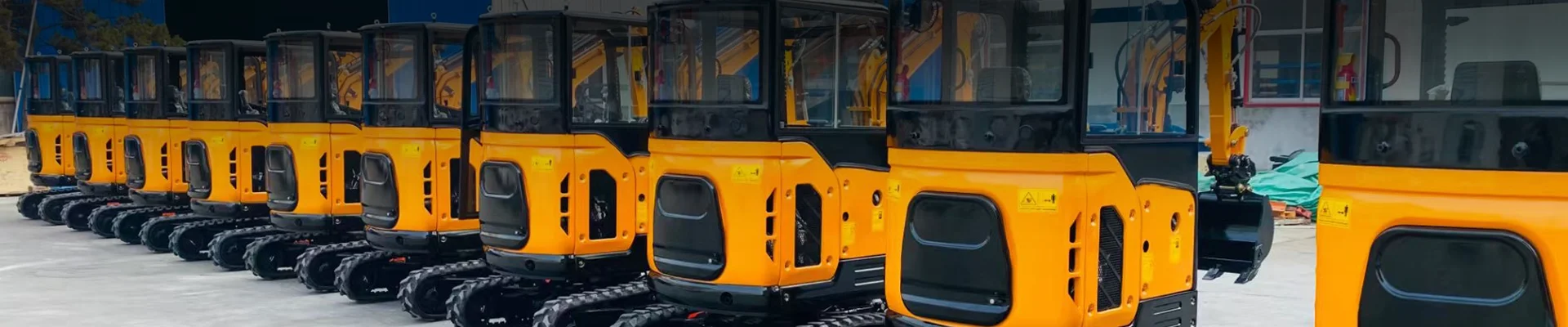
Crawler excavators are robust, heavy-duty machines designed for earthmoving, digging, and various construction applications. Their unique design features a tracked system, which allows them to operate efficiently on uneven terrain and in challenging environments. Unlike wheeled excavators, crawler excavators distribute their weight evenly across their tracks, significantly reducing ground pressure
Crawler excavators are robust, heavy-duty machines designed for earthmoving, digging, and various construction applications. Their unique design features a tracked system, which allows them to operate efficiently on uneven terrain and in challenging environments. Unlike wheeled excavators, crawler excavators distribute their weight evenly across their tracks, significantly reducing ground pressure and enhancing stability. This quality enables them to navigate softer grounds without sinking, making them ideal for construction sites, forestry, and mining operations.
One of the primary advantages of crawler excavators is their versatility. These machines can be equipped with a variety of attachments, such as buckets, hydraulic hammers, and grapples. This adaptability allows them to perform a wide range of tasks beyond traditional digging, including demolition, material handling, and site preparation. The hydraulic system in these excavators provides excellent power and control, ensuring precision in various operations.
Moreover, crawler excavators are designed with operator comfort and safety in mind. Modern models feature spacious cabins equipped with advanced controls, climate control systems, and ergonomic seating, which enhance productivity and reduce operator fatigue during long hours of operation. Safety features, such as reinforced structures and advanced visibility systems, further ensure the well-being of the operator and those working around the machine.
In terms of maintenance, crawler excavators require regular service to keep them in optimal working condition. This includes checking hydraulic fluid levels, inspecting tracks for wear, and ensuring that all systems are functioning correctly. A well-maintained crawler excavator can provide reliable performance for years, making it a valuable asset for construction companies.
The applications of crawler excavators are extensive. They are essential for large-scale construction projects, such as building highways, bridges, and dams. Additionally, they are commonly used in agriculture for land clearing and leveling, as well as in landscaping for digging ponds or creating foundations. Their ability to operate in diverse environments adds to their appeal for contractors looking to invest in reliable machinery.
In conclusion, crawler excavators are indispensable in the construction and manufacturing sectors, offering unmatched versatility, power, and efficiency. Understanding their capabilities and maintenance needs can help professionals maximize their investment and enhance productivity on construction sites. Whether you are involved in large infrastructure projects or smaller-scale operations, incorporating crawler excavators into your fleet can significantly improve your project's success.
One of the primary advantages of crawler excavators is their versatility. These machines can be equipped with a variety of attachments, such as buckets, hydraulic hammers, and grapples. This adaptability allows them to perform a wide range of tasks beyond traditional digging, including demolition, material handling, and site preparation. The hydraulic system in these excavators provides excellent power and control, ensuring precision in various operations.
Moreover, crawler excavators are designed with operator comfort and safety in mind. Modern models feature spacious cabins equipped with advanced controls, climate control systems, and ergonomic seating, which enhance productivity and reduce operator fatigue during long hours of operation. Safety features, such as reinforced structures and advanced visibility systems, further ensure the well-being of the operator and those working around the machine.
In terms of maintenance, crawler excavators require regular service to keep them in optimal working condition. This includes checking hydraulic fluid levels, inspecting tracks for wear, and ensuring that all systems are functioning correctly. A well-maintained crawler excavator can provide reliable performance for years, making it a valuable asset for construction companies.
The applications of crawler excavators are extensive. They are essential for large-scale construction projects, such as building highways, bridges, and dams. Additionally, they are commonly used in agriculture for land clearing and leveling, as well as in landscaping for digging ponds or creating foundations. Their ability to operate in diverse environments adds to their appeal for contractors looking to invest in reliable machinery.
In conclusion, crawler excavators are indispensable in the construction and manufacturing sectors, offering unmatched versatility, power, and efficiency. Understanding their capabilities and maintenance needs can help professionals maximize their investment and enhance productivity on construction sites. Whether you are involved in large infrastructure projects or smaller-scale operations, incorporating crawler excavators into your fleet can significantly improve your project's success.
Related news
2026-09-17

CONTACT US
Email : sales@sunlionmachinery.com
Address :Technology Industrial Park of Taian city,Shandong province,China

All Rights Reserved © Shandong Sunlion Machinery Co., Ltd. SEO CEGLOBAL Privacy Policy
Business License