

03
2026
-
03
How Mini Excavators Revolutionize Small-Scale Excavation
How Mini Excavators Revolutionize Small-Scale Excavation Table of Contents 1. Introduction to Mini Excavators 2. Key Benefits of Mini Excavators in Small-Scale Excavation 3. Versatility in Applications 4. Technological Advancements in Mini Excavators 5. Cost-Effectiveness of Mini Excavators 6. Environmental Impact of Mini Excavators 7. Operating Tips for Mini Excavators 8. Frequen
How Mini Excavators Revolutionize Small-Scale Excavation
Table of Contents
- 1. Introduction to Mini Excavators
- 2. Key Benefits of Mini Excavators in Small-Scale Excavation
- 3. Versatility in Applications
- 4. Technological Advancements in Mini Excavators
- 5. Cost-Effectiveness of Mini Excavators
- 6. Environmental Impact of Mini Excavators
- 7. Operating Tips for Mini Excavators
- 8. Frequently Asked Questions
- 9. Conclusion
1. Introduction to Mini Excavators
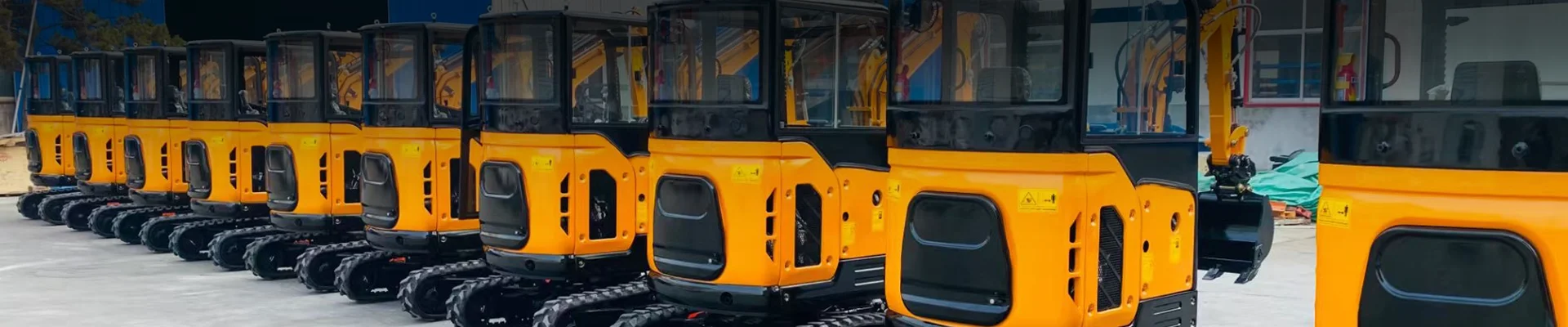
The construction industry has undergone significant transformations over the years, with innovations continually reshaping how projects are executed. Among these innovations, **mini excavators** stand out as game-changers in small-scale excavation. Compact and efficient, these machines provide unparalleled flexibility and power for various tasks, from residential landscaping to utility installation. As we explore the influence of mini excavators on small-scale excavation, we will highlight their essential features, benefits, and practical applications.
2. Key Benefits of Mini Excavators in Small-Scale Excavation
When it comes to excavation, mini excavators deliver numerous advantages over traditional, larger models. Here are some key benefits that contribute to their growing popularity:
2.1 Enhanced Maneuverability
Mini excavators are designed for tight spaces—making them ideal for urban environments and small job sites. Their compact size allows operators to navigate through narrow pathways and work efficiently in confined areas where larger equipment would be impractical.
2.2 Efficiency in Operation
Equipped with powerful hydraulic systems, mini excavators can perform multiple tasks with remarkable speed and precision. From digging trenches to grading surfaces, their efficiency translates into reduced project timelines and increased productivity.
2.3 Reduced Labor Costs
With their ability to handle various tasks, mini excavators often require fewer operators than traditional machinery. This reduction in labor needs leads to cost savings for construction companies, enhancing overall project profitability.
3. Versatility in Applications
The versatility of mini excavators makes them a valuable asset in various construction and landscaping projects. Here are some common applications:
3.1 Landscaping and Site Preparation
Mini excavators are frequently used for landscaping tasks, such as digging holes for trees, grading land, and installing irrigation systems. Their precision allows for detailed work that enhances the aesthetic appeal of outdoor spaces.
3.2 Utility Installation
In utility installation projects, mini excavators are invaluable for digging trenches for water lines, electrical cables, and sewer systems. Their compact size allows for easy access to congested areas, ensuring efficient and safe installations.
3.3 Demolition Work
Mini excavators can also be employed for small-scale demolition tasks. With appropriate attachments, they can safely dismantle structures, remove debris, and prepare sites for new construction.
4. Technological Advancements in Mini Excavators
As technology continues to evolve, so does the efficiency and functionality of mini excavators. Recent advancements include:
4.1 Advanced Controls
Modern mini excavators feature advanced control systems that enhance operator experience. Intuitive joystick controls and programmable settings allow operators to execute complex tasks with ease.
4.2 Attachment Versatility
Mini excavators support a wide range of attachments, such as buckets, augers, and hydraulic breakers. This adaptability enables operators to switch between tasks quickly, further boosting productivity.
4.3 Remote Operation
Some newer models come equipped with remote operation capabilities, allowing operators to control the machine from a distance. This feature enhances safety and efficiency, especially in hazardous environments.
5. Cost-Effectiveness of Mini Excavators
Investing in a mini excavator can yield significant financial benefits for construction companies. Here’s why:
5.1 Lower Purchase and Rental Costs
Mini excavators typically have lower purchase prices compared to larger models, making them accessible for small businesses and contractors. Additionally, their cost-effective rental options enable companies to utilize them for specific projects without long-term commitments.
5.2 Fuel Efficiency
These machines are designed to consume less fuel than larger excavators, resulting in lower operating costs. Their efficiency makes them a sustainable choice for environmentally-conscious businesses aiming to reduce their carbon footprint.
5.3 Maintenance Savings
With fewer moving parts and a simpler design, mini excavators generally require less maintenance than their larger counterparts. This reliability translates into fewer downtime incidents and lower overall maintenance expenses.
6. Environmental Impact of Mini Excavators
As sustainability becomes increasingly important in construction, mini excavators play a vital role in reducing environmental impact. Here’s how:
6.1 Reduced Land Disturbance
The compact size of mini excavators allows for more precise excavation, minimizing land disturbance and preserving the natural landscape. This is particularly advantageous in environmentally-sensitive areas.
6.2 Noise Pollution Reduction
Mini excavators are typically quieter than larger machines, producing less noise pollution. This feature is especially important in urban settings where noise levels need to be kept in check.
6.3 Lower Emissions
With advancements in engine technology, many new mini excavators produce fewer emissions, contributing to cleaner air and a healthier environment. Operating these machines aligns with the growing demand for sustainable construction practices.
7. Operating Tips for Mini Excavators
For optimal performance and safety when using mini excavators, consider the following operating tips:
7.1 Pre-Operation Checks
Before operating a mini excavator, conduct thorough pre-operation checks. Ensure that all fluid levels are adequate, and inspect the machine for any visible damage.
7.2 Understand the Controls
Familiarize yourself with the machine’s controls and functions. This will enhance your ability to operate the excavator efficiently and safely.
7.3 Maintain Stability
Always ensure that the excavator is on stable ground before beginning work. Utilize the machine’s tracks and outriggers to maintain balance during operation.
8. Frequently Asked Questions
8.1 What size is considered a mini excavator?
Mini excavators typically range from 1 to 6 tons in weight, making them smaller and easier to maneuver than standard excavators.
8.2 Can mini excavators be used for heavy-duty tasks?
While mini excavators excel in small-scale applications, they can also handle moderate excavation tasks depending on their specific capabilities and attachments.
8.3 How do I choose the right mini excavator for my project?
Consider factors such as the size of the job site, the nature of the tasks, and the type of attachments needed when selecting a mini excavator.
8.4 Are mini excavators easy to transport?
Yes, mini excavators are relatively easy to transport due to their compact size and lightweight design, making them ideal for various job sites.
8.5 Can I operate a mini excavator without prior experience?
While some operators may be able to use mini excavators with minimal training, it is advisable to undergo proper training to ensure safe and efficient operation.
9. Conclusion
The rise of mini excavators has revolutionized small-scale excavation, providing contractors and landscapers with a powerful, efficient, and versatile tool for their projects. As we have explored, the benefits of enhanced maneuverability, cost-effectiveness, and reduced environmental impact make mini excavators a smart choice for various applications. With continuous technological advancements and a growing emphasis on sustainability, mini excavators are poised to remain at the forefront of the construction industry. Investing in these innovative machines not only enhances productivity but also aligns with the future of sustainable construction practices.
Related news
2026-09-17

CONTACT US
Email : sales@sunlionmachinery.com
Address :Technology Industrial Park of Taian city,Shandong province,China

All Rights Reserved © Shandong Sunlion Machinery Co., Ltd. SEO CEGLOBAL Privacy Policy
Business License