

19
2026
-
02
Why Crawler Excavators Are Essential for Construction Projects
Why Crawler Excavators Are Essential for Construction Projects Table of Contents 1. Introduction to Crawler Excavators 2. Benefits of Using Crawler Excavators in Construction 3. Versatility of Crawler Excavators 4. Safety Features of Crawler Excavators 5. Improving Efficiency with Crawler Excavators 6. Types of Crawler Excavators 7. Maintenance Tips f
Why Crawler Excavators Are Essential for Construction Projects
Table of Contents
- 1. Introduction to Crawler Excavators
- 2. Benefits of Using Crawler Excavators in Construction
- 3. Versatility of Crawler Excavators
- 4. Safety Features of Crawler Excavators
- 5. Improving Efficiency with Crawler Excavators
- 6. Types of Crawler Excavators
- 7. Maintenance Tips for Crawler Excavators
- 8. The Future of Crawler Excavators in Construction
- 9. Frequently Asked Questions
- 10. Conclusion
1. Introduction to Crawler Excavators
Crawler excavators have become synonymous with heavy-duty construction equipment. Known for their unique design featuring tracks instead of wheels, these machines are engineered to navigate various terrains and handle substantial loads. Their origins trace back to the early 20th century when they revolutionized the way earth-moving tasks were conducted. Today, crawler excavators are indispensable in various sectors, including construction, mining, and landscaping.
The growing demands of construction projects necessitate equipment that is not only powerful but also adaptable to shifting site conditions. Crawler excavators meet these needs, providing superior stability and traction, making them essential for projects ranging from residential buildings to large-scale infrastructure developments.
2. Benefits of Using Crawler Excavators in Construction
When it comes to construction projects, crawler excavators provide several key benefits:
2.1 Enhanced Stability
The wide tracks of crawler excavators distribute weight more evenly than wheeled machines, significantly enhancing stability on uneven terrain. This stability allows for safer and more precise operation, particularly in challenging conditions.
2.2 Superior Traction
Crawler excavators excel in muddy, slippery, or rocky environments where wheeled machines might struggle. Their ability to maintain grip ensures they can move materials efficiently without getting stuck.
2.3 Increased Load Capacity
These machines are designed to handle heavy loads, making them ideal for lifting and transporting materials such as soil, debris, and construction supplies. This capability reduces the need for multiple machines on site, streamlining operations.
3. Versatility of Crawler Excavators
One of the primary reasons crawler excavators are essential is their versatility. They can be equipped with a range of attachments, allowing them to perform multiple tasks:
3.1 Digging and Excavation
The primary function of crawler excavators is digging and excavation. Their powerful arm and bucket can easily penetrate tough ground, making them ideal for trenching, foundation work, and site preparation.
3.2 Material Handling
With the right attachments, crawler excavators can handle a variety of materials, from gravel to heavy boulders. This adaptability makes them a valuable asset during the construction and demolition phases.
3.3 Demolition Work
Crawler excavators can be fitted with specialized attachments like hydraulic breakers and shears, enabling them to undertake demolition projects effectively. Their reach and power allow for precision in dismantling structures.
3.4 Landscaping
In landscaping projects, crawler excavators can assist with grading, leveling, and moving large quantities of soil, making them essential for creating aesthetically pleasing outdoor spaces.
4. Safety Features of Crawler Excavators
Safety is paramount in construction, and crawler excavators come equipped with several features designed to protect operators and surrounding personnel:
4.1 Rollover Protection
Many crawler excavators are designed with rollover protection structures (ROPS) that safeguard operators in the event of a tip-over. This feature is crucial for maintaining safety during operations on uneven ground.
4.2 Visibility Enhancements
Large, well-placed windows and cameras enhance visibility for operators, reducing blind spots. This improved visibility helps in avoiding accidents and ensuring safer interactions with other machinery or workers.
4.3 Emergency Shut-off Systems
Crawler excavators are typically equipped with emergency shut-off systems that allow operators to quickly shut down the machine in case of an emergency, preventing potential accidents.
5. Improving Efficiency with Crawler Excavators
Efficiency is a critical factor in construction project timelines and budgets. Crawler excavators contribute to enhanced productivity in several ways:
5.1 Quick Task Execution
Their powerful engines and hydraulic systems allow crawler excavators to complete tasks quickly, reducing the overall duration of construction projects. This speed is essential in meeting tight deadlines.
5.2 Reduced Labor Costs
By handling multiple tasks, a single crawler excavator can replace several pieces of equipment and reduce the need for additional personnel, ultimately lowering labor costs on site.
5.3 Fuel Efficiency
Modern crawler excavators are designed with fuel efficiency in mind, allowing them to operate longer on a single tank. This feature translates to fewer refueling stops, keeping projects on schedule.
6. Types of Crawler Excavators
Understanding the different types of crawler excavators can help construction managers choose the right equipment for their specific projects:
6.1 Standard Crawler Excavators
These are the most common type, designed for a variety of general construction tasks. They offer a balance of power and versatility.
6.2 Compact Crawler Excavators
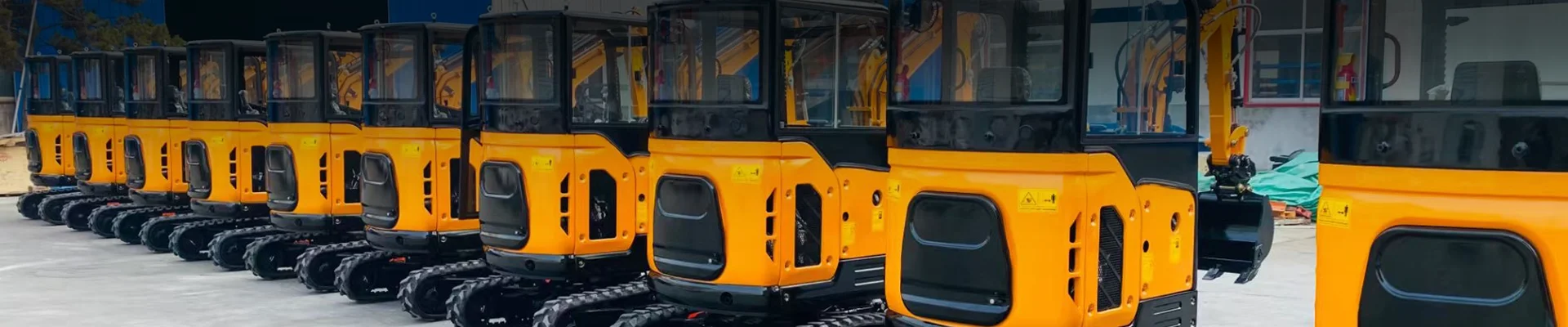
Ideal for smaller jobs or in tight spaces, compact crawler excavators maintain the essential features of larger models but with reduced size and weight.
6.3 Long Reach Excavators
Equipped with extended arms, long-reach excavators are designed for projects requiring deep digging or extended reach, such as river bank work or deep trench excavations.
6.4 Wheeled Versus Crawler Excavators
While wheeled excavators are suitable for flat terrains and faster operations, crawler excavators provide superior stability and traction, making them preferable for rough or uneven job sites.
7. Maintenance Tips for Crawler Excavators
Proper maintenance is essential to maximize the lifespan and performance of crawler excavators. Here are key maintenance tips:
7.1 Regular Inspections
Conducting daily inspections of the machine before operation can help identify any potential issues, ensuring that the equipment operates smoothly.
7.2 Lubrication
Regular lubrication of moving parts reduces friction and wear, contributing to the efficient functioning of the excavator.
7.3 Track Maintenance
Keeping tracks properly adjusted and free of debris is crucial for ensuring optimal traction and stability on job sites.
7.4 Fluid Checks
Regularly checking and replacing fluids, including hydraulic oil and coolant, prevents overheating and enhances the machine's performance.
8. The Future of Crawler Excavators in Construction
As construction technology advances, crawler excavators are also evolving. The future holds several exciting developments:
8.1 Automation and Robotics
The integration of automation and robotics is set to revolutionize the functionality of crawler excavators. Future models may be equipped with advanced AI systems that enhance precision and reduce the need for human operators.
8.2 Eco-friendly Innovations
With a growing focus on sustainability, manufacturers are exploring eco-friendly options, including electric and hybrid crawler excavators, which will provide lower emissions and reduced fuel consumption.
8.3 Enhanced Connectivity
IoT (Internet of Things) technology may increasingly be integrated into crawler excavators, allowing for real-time data sharing and remote monitoring of performance and maintenance needs.
9. Frequently Asked Questions
9.1 What is a crawler excavator?
A crawler excavator is a type of heavy machinery used for digging, lifting, and moving materials, characterized by its tracked undercarriage that provides excellent stability and traction.
9.2 How does a crawler excavator differ from a wheeled excavator?
Crawler excavators have tracks that provide better stability and traction on uneven terrain, while wheeled excavators are faster on smooth surfaces but can struggle in rough conditions.
9.3 What are the typical applications of crawler excavators?
Crawler excavators are used in various applications, including construction, demolition, landscaping, and excavation, owing to their versatility and ability to handle heavy loads.
9.4 What should I consider when renting a crawler excavator?
When renting a crawler excavator, consider factors such as the size and reach required, the type of work to be performed, and any specific attachments needed for your project.
9.5 How can I improve the lifespan of my crawler excavator?
Regular maintenance, including inspections, lubrication, and timely repairs, plays a critical role in extending the lifespan of your crawler excavator.
10. Conclusion
In summary, crawler excavators are indispensable machines in the construction industry, offering unmatched versatility, stability, and efficiency. Their ability to perform a variety of tasks makes them a valuable asset for any construction project, regardless of size. As technology continues to evolve, crawler excavators are set to become even more efficient and eco-friendly, further solidifying their place in modern construction. Investing in high-quality crawler excavators ensures not only project success but also safety and productivity on site.
Related news

CONTACT US
Email : sales@sunlionmachinery.com
Address :Technology Industrial Park of Taian city,Shandong province,China
