

04
2026
-
02
Understanding Crawler Excavators: Essential Insights for Professionals
Crawler excavators are versatile and powerful machines commonly utilized in various construction and engineering projects. Characterized by their tracked undercarriage, crawler excavators offer superior stability and mobility, making them ideal for both rough terrain and urban environments. Unlike wheeled excavators, which are designed for speed on flat surfaces, crawler excavators excel in enviro
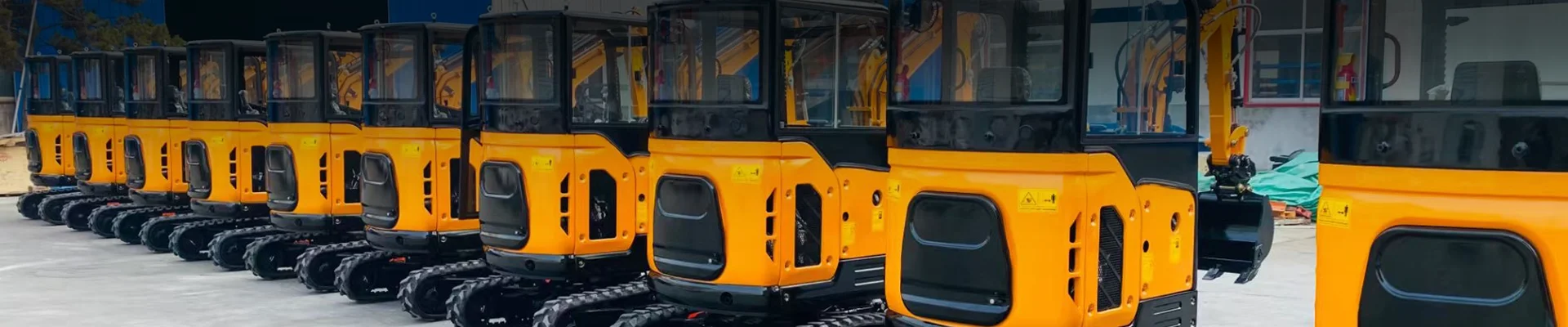
Crawler excavators are versatile and powerful machines commonly utilized in various construction and engineering projects. Characterized by their tracked undercarriage, crawler excavators offer superior stability and mobility, making them ideal for both rough terrain and urban environments. Unlike wheeled excavators, which are designed for speed on flat surfaces, crawler excavators excel in environments where traction and weight distribution are crucial.
One of the defining features of crawler excavators is their ability to perform a wide range of tasks. They are equipped with a hydraulic arm that can be fitted with different attachments, such as buckets, hammers, and grapples, allowing them to dig, lift, and move materials efficiently. This adaptability means that crawler excavators can be used for everything from excavating foundations to demolition work, material handling, and even landscaping.
When it comes to applications, crawler excavators are indispensable in various sectors, including construction, mining, and forestry. In construction, they play a crucial role in site preparation and earthmoving operations. Their robust design allows them to handle heavy loads and navigate challenging terrains, making them a preferred choice for large-scale projects. In mining, crawler excavators are used for overburden removal and material extraction, while in forestry, they help in timber handling and site clearing.
The advantages of crawler excavators extend beyond their operational capabilities. Their tracked design distributes weight evenly, reducing ground pressure and minimizing soil disturbance. This feature is particularly beneficial in environmentally sensitive areas where soil erosion and compaction must be managed. Additionally, the stability provided by the tracks allows operators to work on slopes and uneven surfaces with confidence, enhancing overall safety on the job site.
Maintenance and operational efficiency are also critical considerations for professionals working with crawler excavators. Regular inspections, proper lubrication, and timely servicing are essential to ensure the longevity and reliability of the machine. Many modern crawler excavators come equipped with advanced technology, such as telematics systems, that provide real-time data on equipment performance, helping operators optimize productivity and reduce downtime.
In summary, crawler excavators are a cornerstone of the construction and engineering industries, offering unmatched versatility, stability, and efficiency. Understanding their features and applications not only enhances operational performance but also contributes to the successful execution of projects. As these machines continue to evolve with technological advancements, staying informed about their capabilities will ensure that professionals can make the most of what crawler excavators have to offer.
One of the defining features of crawler excavators is their ability to perform a wide range of tasks. They are equipped with a hydraulic arm that can be fitted with different attachments, such as buckets, hammers, and grapples, allowing them to dig, lift, and move materials efficiently. This adaptability means that crawler excavators can be used for everything from excavating foundations to demolition work, material handling, and even landscaping.
When it comes to applications, crawler excavators are indispensable in various sectors, including construction, mining, and forestry. In construction, they play a crucial role in site preparation and earthmoving operations. Their robust design allows them to handle heavy loads and navigate challenging terrains, making them a preferred choice for large-scale projects. In mining, crawler excavators are used for overburden removal and material extraction, while in forestry, they help in timber handling and site clearing.
The advantages of crawler excavators extend beyond their operational capabilities. Their tracked design distributes weight evenly, reducing ground pressure and minimizing soil disturbance. This feature is particularly beneficial in environmentally sensitive areas where soil erosion and compaction must be managed. Additionally, the stability provided by the tracks allows operators to work on slopes and uneven surfaces with confidence, enhancing overall safety on the job site.
Maintenance and operational efficiency are also critical considerations for professionals working with crawler excavators. Regular inspections, proper lubrication, and timely servicing are essential to ensure the longevity and reliability of the machine. Many modern crawler excavators come equipped with advanced technology, such as telematics systems, that provide real-time data on equipment performance, helping operators optimize productivity and reduce downtime.
In summary, crawler excavators are a cornerstone of the construction and engineering industries, offering unmatched versatility, stability, and efficiency. Understanding their features and applications not only enhances operational performance but also contributes to the successful execution of projects. As these machines continue to evolve with technological advancements, staying informed about their capabilities will ensure that professionals can make the most of what crawler excavators have to offer.
Related news

CONTACT US
Email : sales@sunlionmachinery.com
Address :Technology Industrial Park of Taian city,Shandong province,China
