

05
2026
-
04
Understanding Crawler Excavators: Essential Insights for Professionals
Crawler excavators have become indispensable machines in the construction and engineering sectors. Their robust design and versatility make them preferable for various applications, such as digging, lifting, and moving materials. Unlike wheeled excavators, crawler excavators are equipped with tracks, which enhance their stability and mobility, especially on uneven terrain. This article will delve
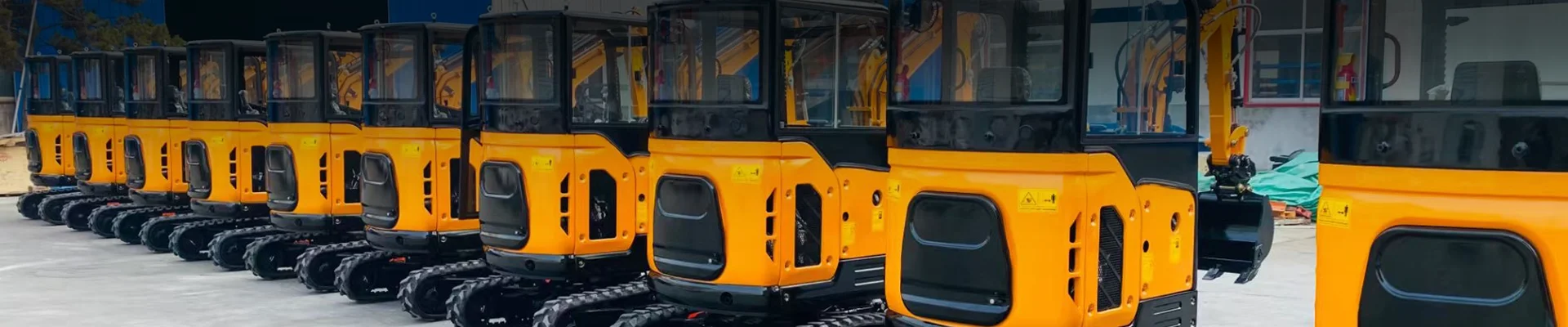
Crawler excavators have become indispensable machines in the construction and engineering sectors. Their robust design and versatility make them preferable for various applications, such as digging, lifting, and moving materials. Unlike wheeled excavators, crawler excavators are equipped with tracks, which enhance their stability and mobility, especially on uneven terrain. This article will delve into key information regarding crawler excavators, focusing on their features, advantages, and usability in the field.
One of the most notable features of crawler excavators is their hydraulic system, which allows for precise control over the arm and bucket. This precision is essential for tasks that require accuracy, such as trench digging or demolition work. Additionally, the hydraulic power enables these machines to lift heavy loads, making them valuable for construction sites where heavy materials need to be moved frequently.
The design of crawler excavators contributes to their effectiveness in various environments. The tracks provide superior traction compared to wheels, allowing them to work efficiently on soft or muddy ground. This capability minimizes the risk of getting stuck, which can often lead to delays in projects. Furthermore, the low center of gravity offered by the crawler design enhances stability, particularly when operating on inclines or uneven surfaces.
Another significant advantage of crawler excavators is their adaptability. They can be equipped with a variety of attachments, such as buckets, hammers, or grapples, enabling them to handle different tasks beyond just excavation. This flexibility allows construction companies to maximize their investment by using the same machine for multiple purposes, reducing the need for extensive equipment fleets.
In terms of maintenance, crawler excavators are designed for durability, with many models featuring easy access points for routine inspections and repairs. Regular maintenance is crucial to ensure optimal performance and longevity of the machine. Professionals should be aware of common maintenance practices, such as checking fluid levels, inspecting the track system, and monitoring hydraulic components.
In summary, crawler excavators are a vital asset in the construction and manufacturing industries, offering unique advantages that enhance operational efficiency. Their hydraulic capabilities, stability, adaptability, and ease of maintenance position them as preferred machinery for a wide range of applications. Understanding these machines' essential features can empower industry professionals to make informed decisions and optimize their use on job sites.
One of the most notable features of crawler excavators is their hydraulic system, which allows for precise control over the arm and bucket. This precision is essential for tasks that require accuracy, such as trench digging or demolition work. Additionally, the hydraulic power enables these machines to lift heavy loads, making them valuable for construction sites where heavy materials need to be moved frequently.
The design of crawler excavators contributes to their effectiveness in various environments. The tracks provide superior traction compared to wheels, allowing them to work efficiently on soft or muddy ground. This capability minimizes the risk of getting stuck, which can often lead to delays in projects. Furthermore, the low center of gravity offered by the crawler design enhances stability, particularly when operating on inclines or uneven surfaces.
Another significant advantage of crawler excavators is their adaptability. They can be equipped with a variety of attachments, such as buckets, hammers, or grapples, enabling them to handle different tasks beyond just excavation. This flexibility allows construction companies to maximize their investment by using the same machine for multiple purposes, reducing the need for extensive equipment fleets.
In terms of maintenance, crawler excavators are designed for durability, with many models featuring easy access points for routine inspections and repairs. Regular maintenance is crucial to ensure optimal performance and longevity of the machine. Professionals should be aware of common maintenance practices, such as checking fluid levels, inspecting the track system, and monitoring hydraulic components.
In summary, crawler excavators are a vital asset in the construction and manufacturing industries, offering unique advantages that enhance operational efficiency. Their hydraulic capabilities, stability, adaptability, and ease of maintenance position them as preferred machinery for a wide range of applications. Understanding these machines' essential features can empower industry professionals to make informed decisions and optimize their use on job sites.
Related news
2026-09-17

CONTACT US
Email : sales@sunlionmachinery.com
Address :Technology Industrial Park of Taian city,Shandong province,China

All Rights Reserved © Shandong Sunlion Machinery Co., Ltd. SEO CEGLOBAL Privacy Policy
Business License