

16
2026
-
02
Understanding Mini Excavators: Versatile Solutions for Modern Construction
Mini excavators, often referred to as compact excavators, have become vital tools in the construction and engineering sectors due to their versatility, efficiency, and ease of use. These machines are characterized by their smaller size, typically weighing between 1 to 10 tons, and are designed for a variety of tasks ranging from digging and grading to demolition and material handling. Their compac
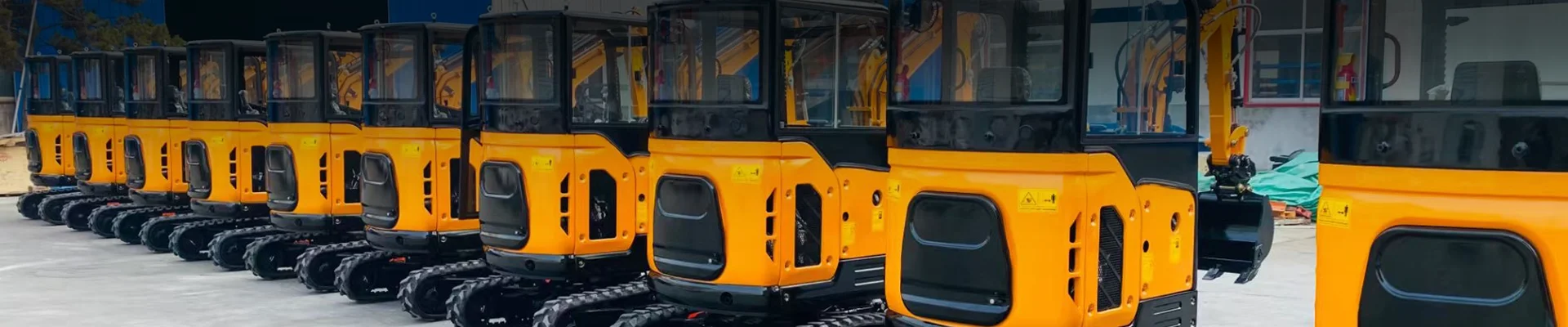
Mini excavators, often referred to as compact excavators, have become vital tools in the construction and engineering sectors due to their versatility, efficiency, and ease of use. These machines are characterized by their smaller size, typically weighing between 1 to 10 tons, and are designed for a variety of tasks ranging from digging and grading to demolition and material handling. Their compact dimensions allow them to operate in confined spaces where larger excavators cannot fit, making them ideal for urban construction projects, landscaping, and residential site work.
One of the primary advantages of mini excavators is their agility. With a tight turning radius and the ability to navigate narrow pathways and crowded job sites, they can perform tasks in areas that would otherwise be unreachable. This capability not only enhances productivity but also minimizes disruption to surrounding environments, which is a crucial consideration in densely populated areas.
Moreover, mini excavators are equipped with advanced hydraulic systems that provide exceptional power and control. This allows operators to execute precise operations, whether they are digging trenches, lifting heavy materials, or grading surfaces. Many models come with interchangeable attachments, such as buckets, augers, and breakers, which further expand their functionality and adaptability to various tasks. This makes mini excavators not just limited to excavation but also suitable for other applications such as site preparation, landscaping, and utility installation.
The ease of operation is another significant benefit of mini excavators. Modern models often feature user-friendly controls and ergonomic designs that allow operators to work efficiently without excessive physical strain. Additionally, many manufacturers incorporate advanced technologies, such as GPS and telematics systems, which help in monitoring machine performance and optimizing job site operations. This technological integration is beneficial for project managers who seek effective ways to manage resources and track progress.
When considering a mini excavator for your project, it's important to assess the specific requirements, including the type of work, site conditions, and available attachments. Furthermore, regular maintenance is essential to keep these machines running smoothly, ensuring longevity and reliability on the job site.
In conclusion, mini excavators are invaluable assets in the construction and engineering industries. Their versatility, efficiency, and ease of use make them suitable for a wide range of applications, helping professionals meet project demands effectively. Understanding the capabilities and proper usage of mini excavators can significantly enhance productivity and streamline operations on any construction site.
One of the primary advantages of mini excavators is their agility. With a tight turning radius and the ability to navigate narrow pathways and crowded job sites, they can perform tasks in areas that would otherwise be unreachable. This capability not only enhances productivity but also minimizes disruption to surrounding environments, which is a crucial consideration in densely populated areas.
Moreover, mini excavators are equipped with advanced hydraulic systems that provide exceptional power and control. This allows operators to execute precise operations, whether they are digging trenches, lifting heavy materials, or grading surfaces. Many models come with interchangeable attachments, such as buckets, augers, and breakers, which further expand their functionality and adaptability to various tasks. This makes mini excavators not just limited to excavation but also suitable for other applications such as site preparation, landscaping, and utility installation.
The ease of operation is another significant benefit of mini excavators. Modern models often feature user-friendly controls and ergonomic designs that allow operators to work efficiently without excessive physical strain. Additionally, many manufacturers incorporate advanced technologies, such as GPS and telematics systems, which help in monitoring machine performance and optimizing job site operations. This technological integration is beneficial for project managers who seek effective ways to manage resources and track progress.
When considering a mini excavator for your project, it's important to assess the specific requirements, including the type of work, site conditions, and available attachments. Furthermore, regular maintenance is essential to keep these machines running smoothly, ensuring longevity and reliability on the job site.
In conclusion, mini excavators are invaluable assets in the construction and engineering industries. Their versatility, efficiency, and ease of use make them suitable for a wide range of applications, helping professionals meet project demands effectively. Understanding the capabilities and proper usage of mini excavators can significantly enhance productivity and streamline operations on any construction site.
Related news
2026-09-17

CONTACT US
Email : sales@sunlionmachinery.com
Address :Technology Industrial Park of Taian city,Shandong province,China

All Rights Reserved © Shandong Sunlion Machinery Co., Ltd. SEO CEGLOBAL Privacy Policy
Business License